YOUR CART IS EMPTY
Discover surface-specific solutions built for lasting durability.
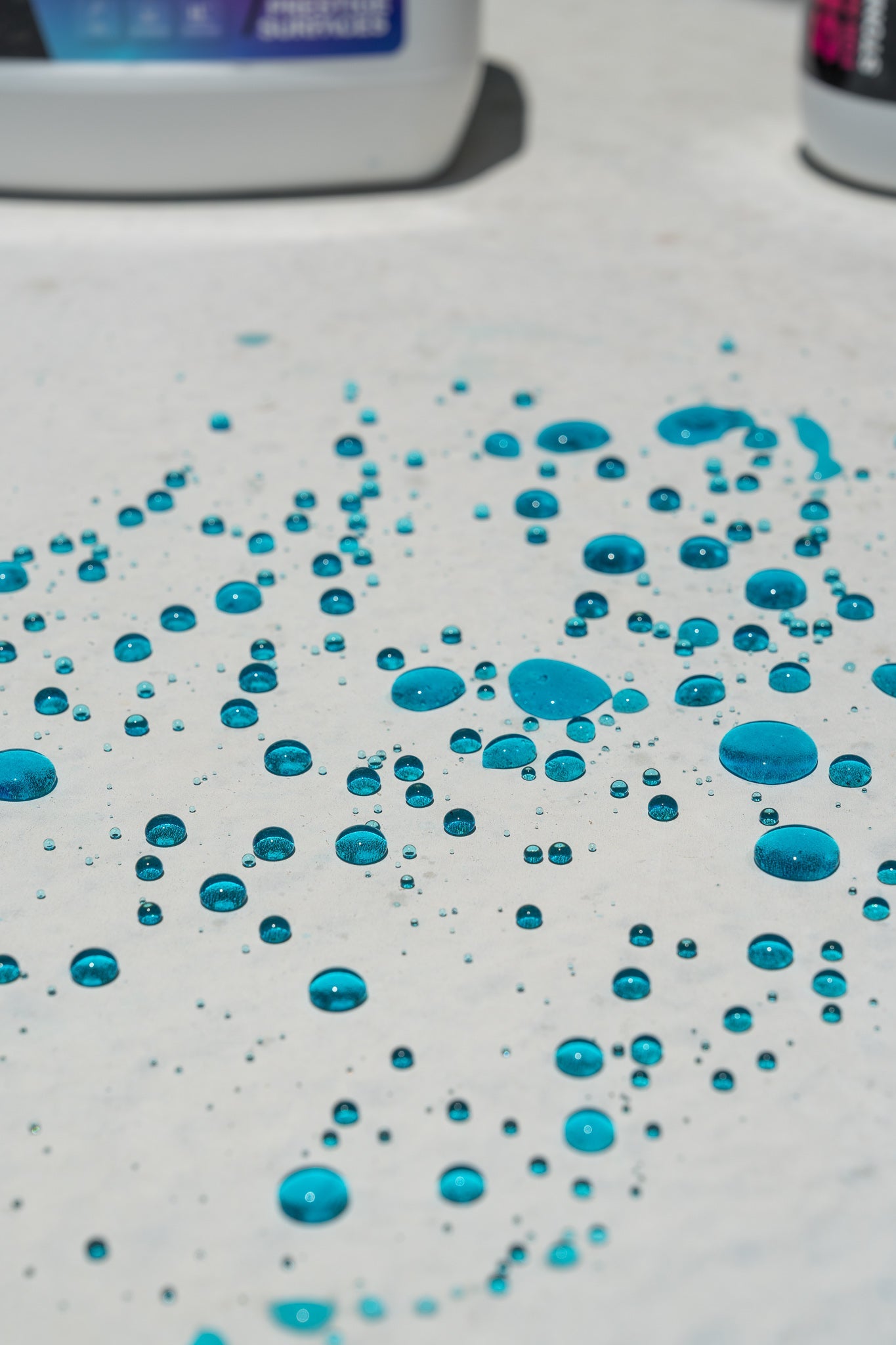
Penetrating Sealer: What It Does, What It Doesn't, and How to Apply It
A penetrating sealer soaks into the substrate and bonds below the surface. No film, no coating, nothing on top to peel or yellow. It's what every porous outdoor surface needs before the first wet s...
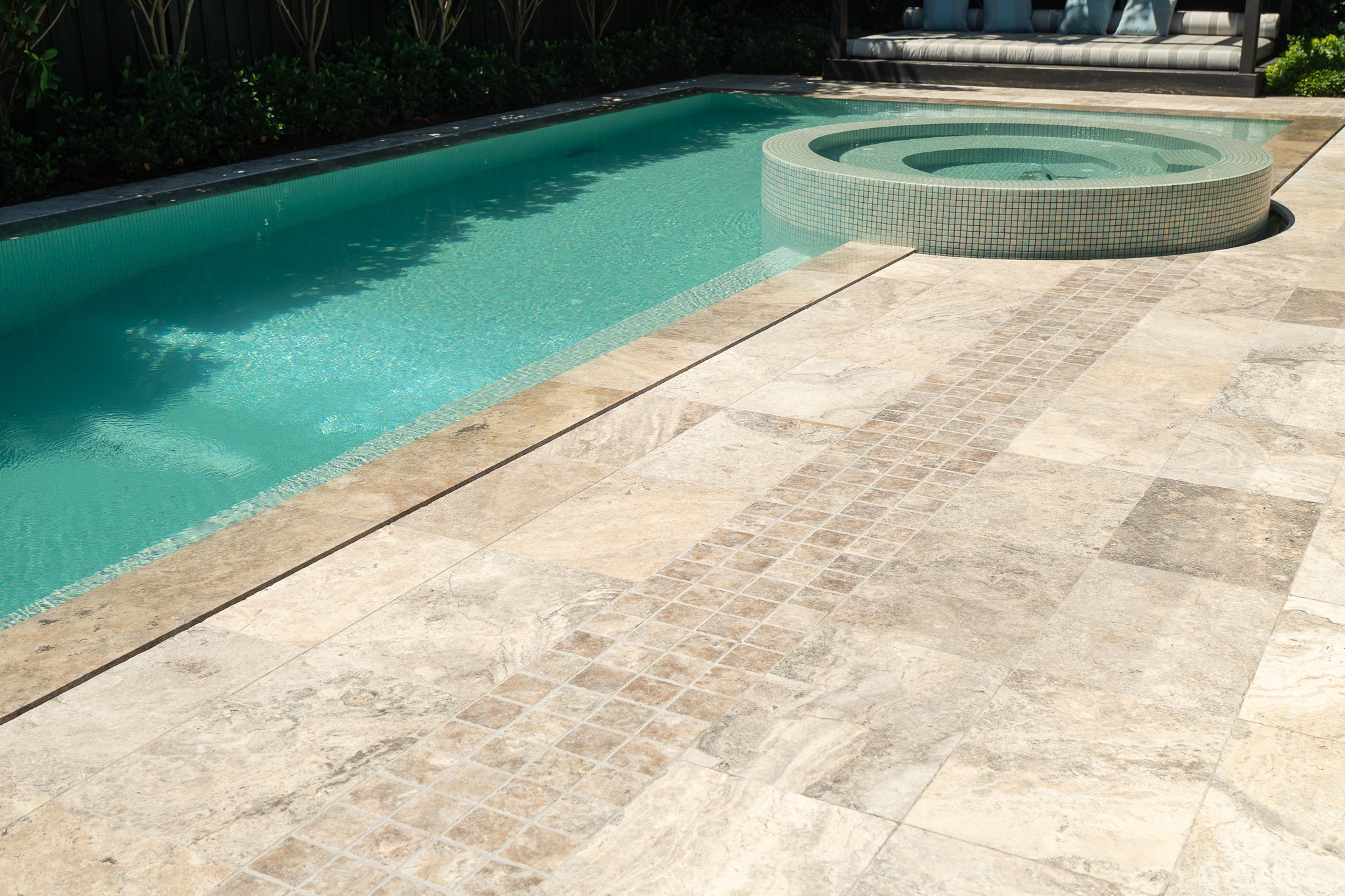
Travertine Sealer: How to Choose, Apply, and Maintain It
Travertine has natural voids running through it. Unsealed, those voids fill with water, dissolved salts, and organic matter. A penetrating sealer bonds with the mineral matrix and stops the mechani...
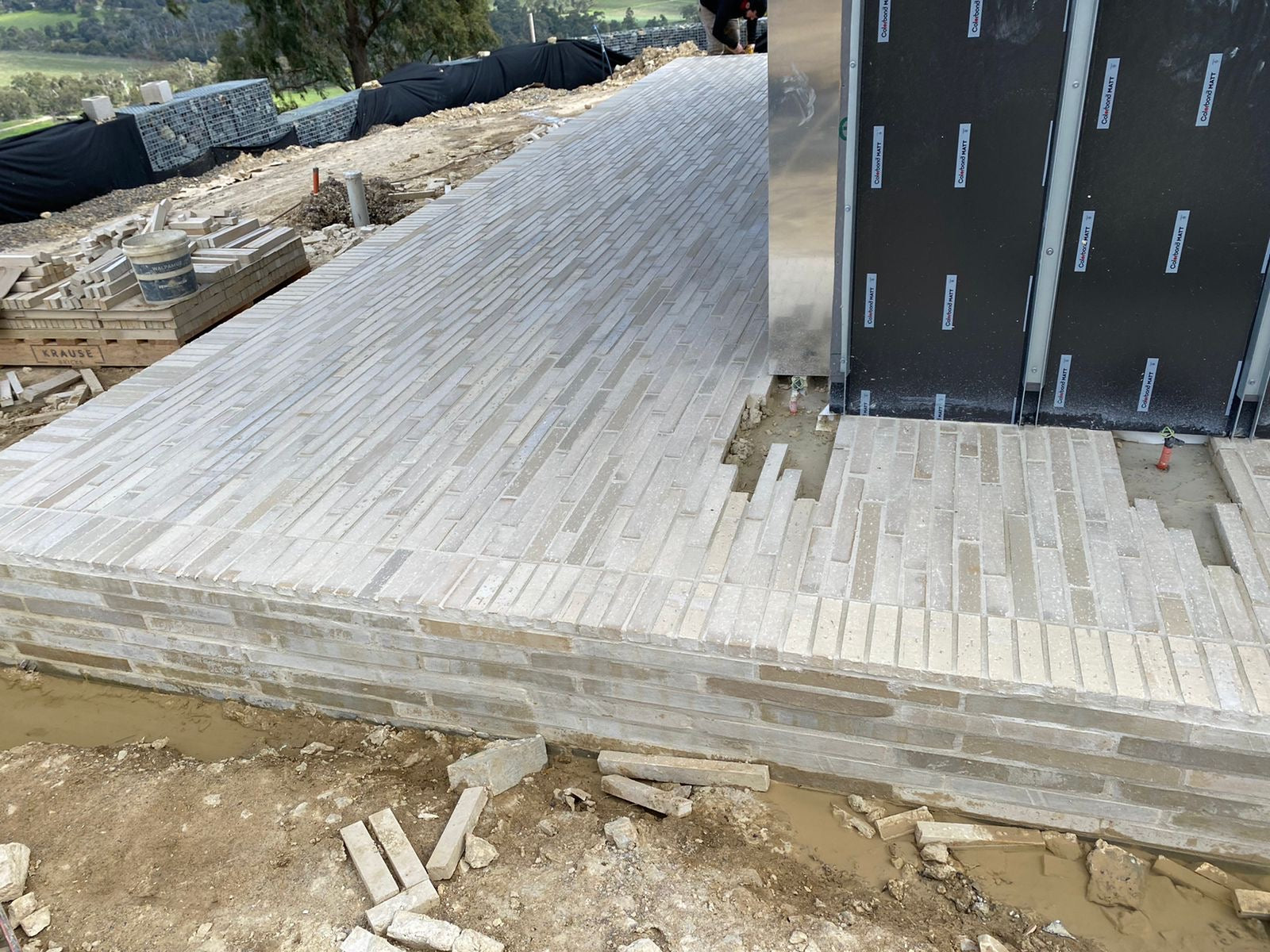
Brick Sealer: What Works, What Doesn't, and When to Use It
Brick absorbs moisture, dissolved salts, and staining. Most of the damage is invisible until it isn't. This covers which brick sealer actually works, why film-forming coatings fail on fired clay, a...
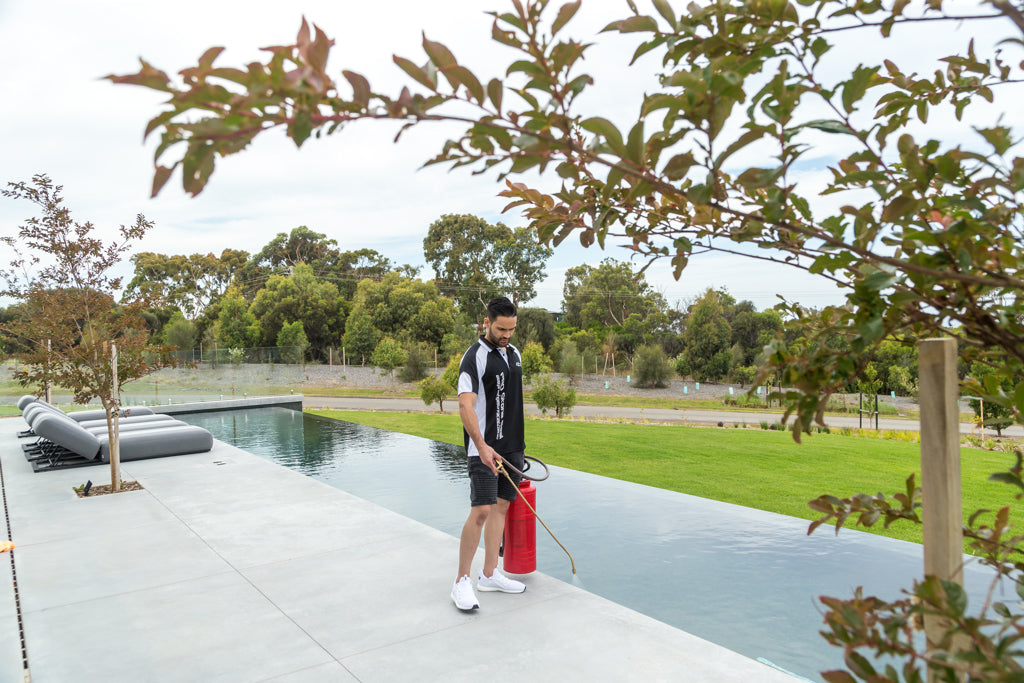
Paver Sealer: How to Choose, Apply, and Make It Last
In 20 years of paver sealing work, the problem is almost never the surface. It's the product type. There are two fundamentally different types of paver sealer, and the wrong one looks identical to ...
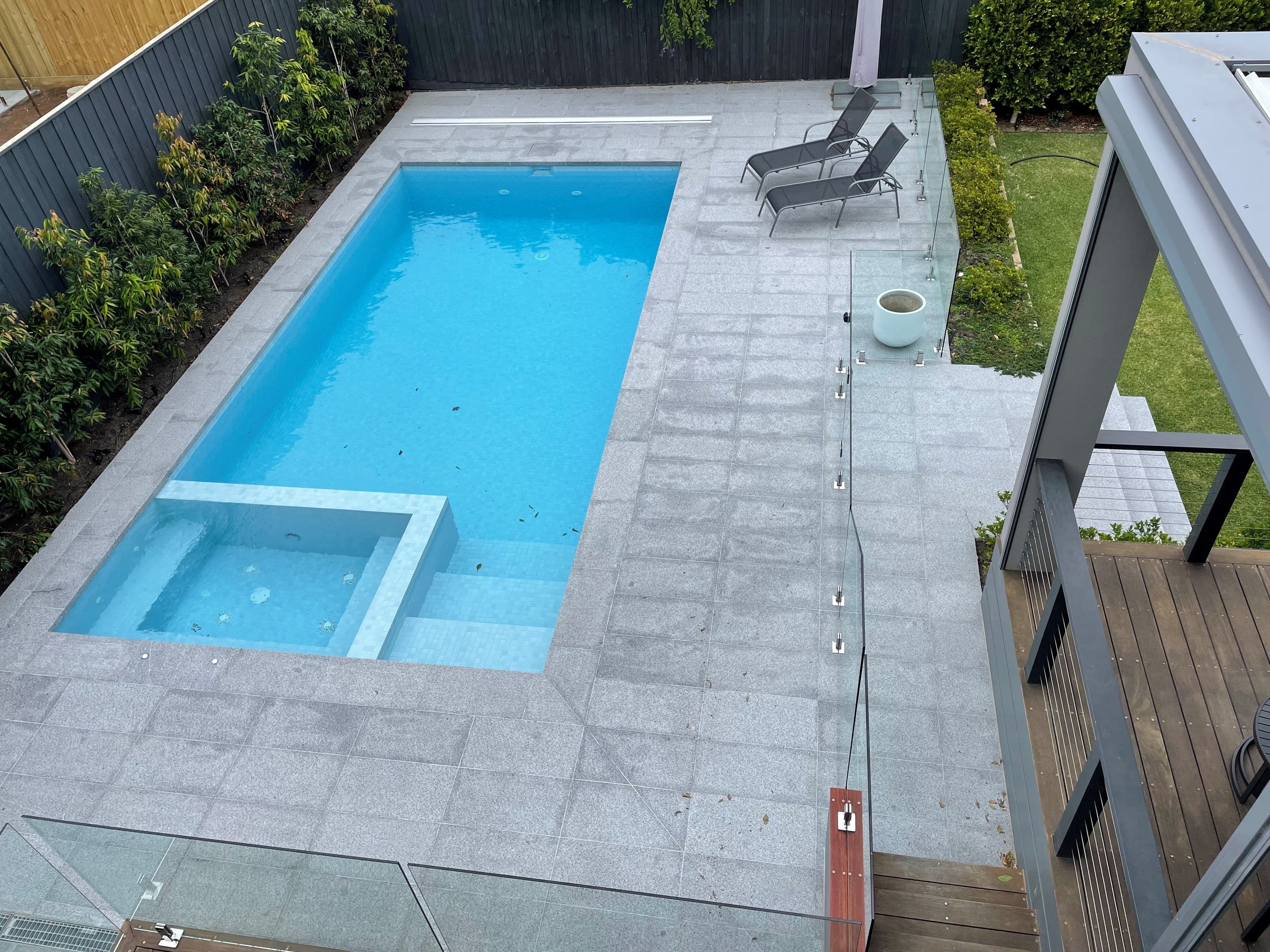
Picture Framing on Natural Stone Pavers: What Causes It and How to Prevent It
A dark shadow forms around the edge of each individual paver, making a clean installation look like a grid of framed artwork. Once it appears, no cleaning product removes it. This is a penetrating ...
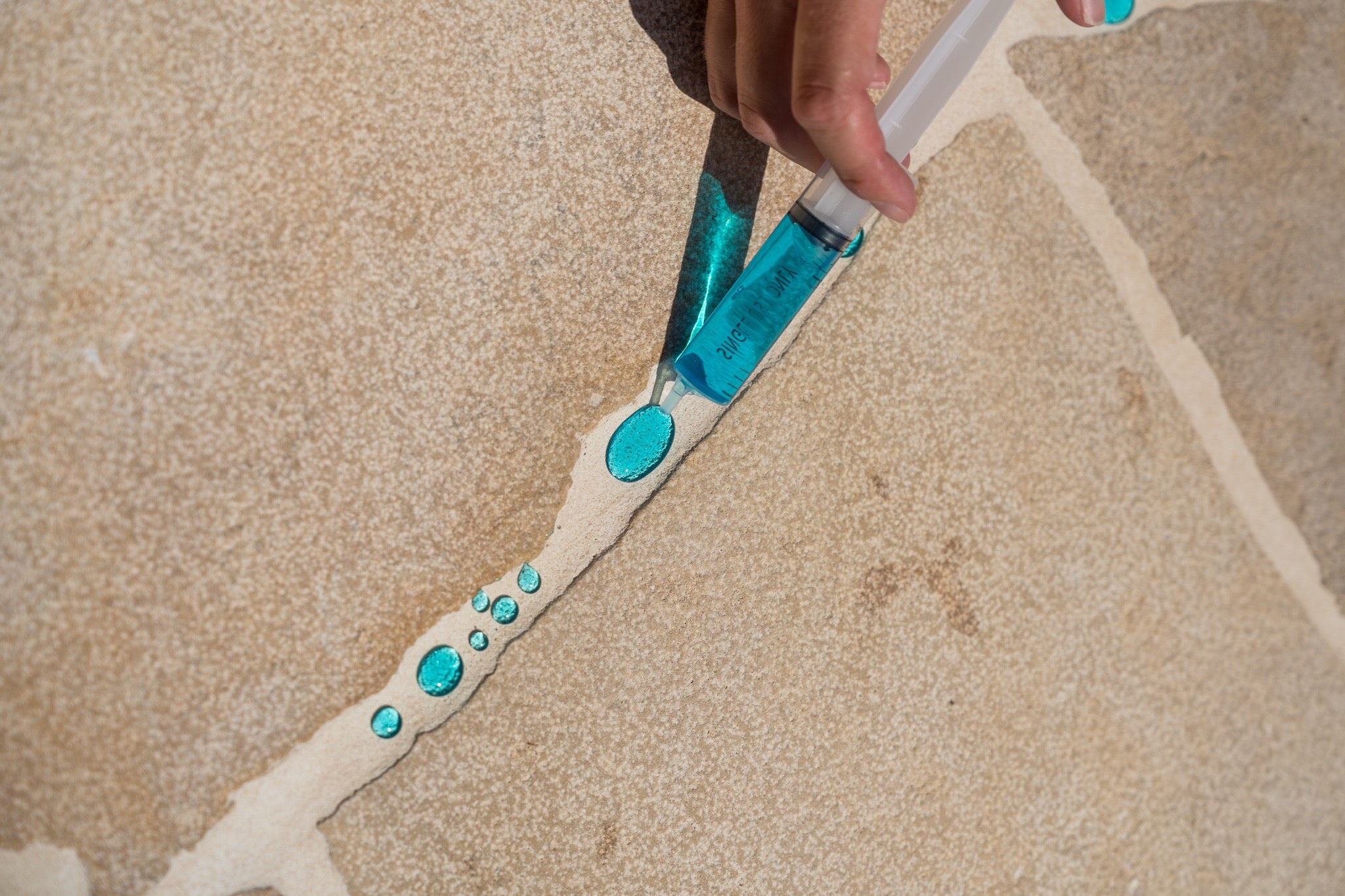
Grout Sealer: What Actually Works (and When You Don't Need It)
Grout is porous cement mortar filling the joints between tiles, pavers, and stone. Whatever surface surrounds it, the grout joint itself absorbs everything. Most grout sealers from hardware stores ...


